Endoscopy
Gastroscopy, colonoscopy & bronchoscopy
Endoscopy is a minimally-invasive technique that uses a thin camera (an endoscope) to examine the inside of your pet’s body without the need for major surgery. It allows us to see the gastrointestinal tract, airways, and other internal structures in remarkable detail, helping us diagnose conditions swiftly and comfortably.
We offer a range of endoscopic procedures, including gastroscopy, small intestinal endoscopy, colonoscopy and bronchoscopy, using modern equipment and gentle anaesthetic care.
Why endoscopy matters
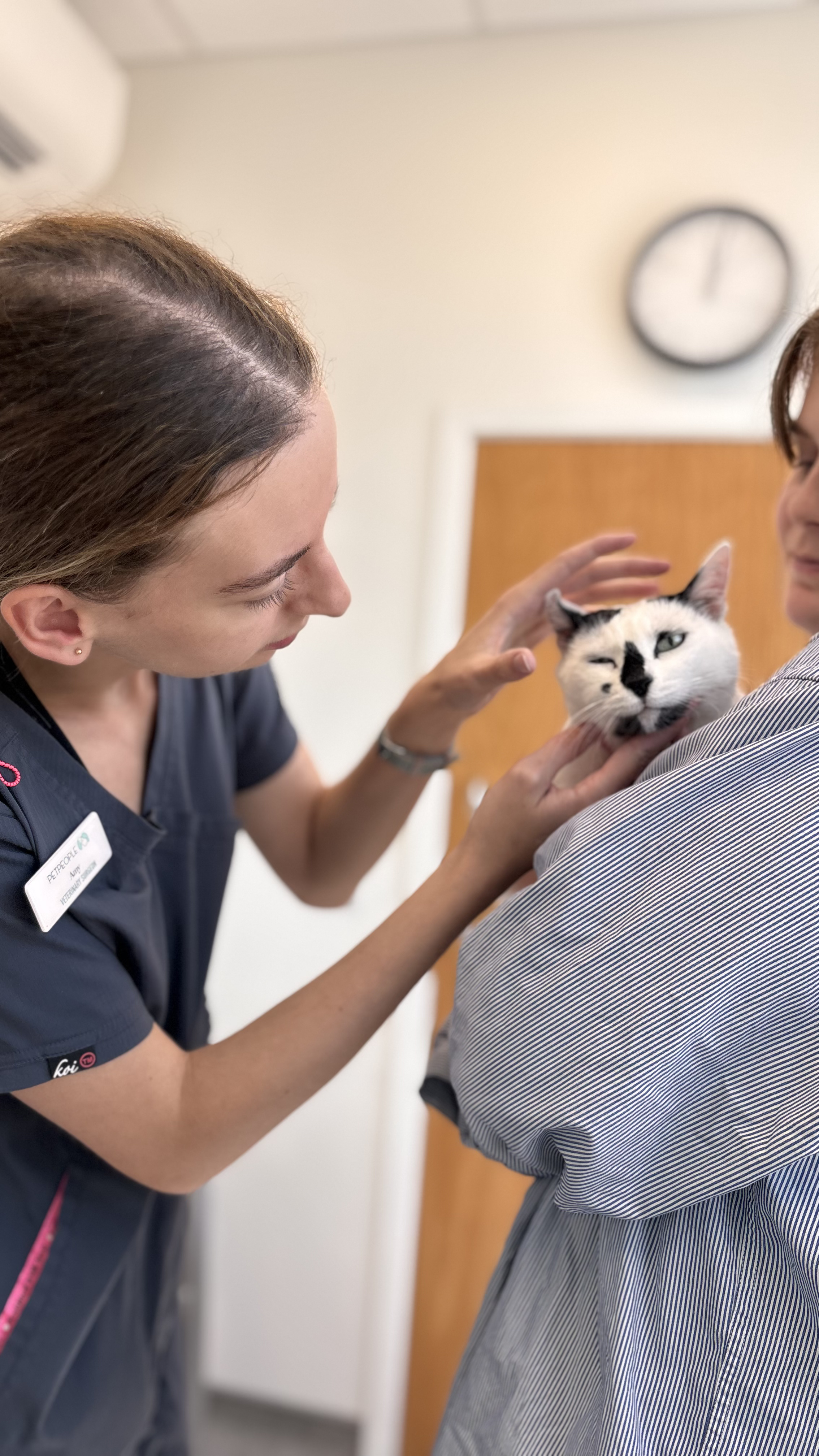
Endoscopy helps us investigate problems that cannot be diagnosed from the outside. It allows us to take biopsies, remove foreign bodies, and assess internal structures with minimal discomfort.
Because it avoids large incisions, pets recover more quickly and experience less pain. Our experienced clinicians and modern imaging equipment make PetPeople Vets well placed to deliver these advanced procedures with precision and care.
More about endoscopy
-
Gastrointestinal Endoscopy
Used to examine the stomach, intestines and oesophagus.
Gastroscopy helps investigate:
Chronic vomiting
Regurgitation
Weight loss
Suspected ulcers
Oesophageal or stomach foreign bodies
Small-intestinal endoscopy helps investigate:
Chronic or recurrent diarrhoea
Long-term vomiting
Weight loss despite normal appetite
Suspected malabsorption or food sensitivities
Poor response to dietary trials or medication
Abnormal ultrasound findings
Suspected intestinal inflammation or cancer
Colonoscopy helps investigate:
Chronic diarrhoea
Blood in the stool
Suspected inflammatory bowel disease
Large bowel tumours or polyps
During these procedures, we can take biopsies, assess inflammation, or remove foreign material without invasive surgery.
Respiratory Endoscopy (Bronchoscopy)
Bronchoscopy allows us to examine the trachea and lower airways.
Useful for diagnosing:
Chronic coughing
Breathing difficulties
Suspected airway collapse
Foreign bodies (grass seeds, plant material)
Infections and inflammatory airway disease
Bronchoscopy also allows us to collect samples for culture or cytology to guide accurate treatment.
-
Your pet will have a short general anaesthetic to ensure comfort and complete stillness. A flexible camera is then guided gently through the mouth or rectum (depending on the procedure), allowing direct visual assessment.
Benefits include:
No large incisions
Faster, more comfortable recovery
Ability to take targeted biopsies
Ability to remove some foreign bodies without surgery
Most pets go home the same day.
-
We may suggest endoscopy if your pet has:
Persistent vomiting or diarrhoea
Unexplained weight loss
Suspected swallowing or oesophageal issues
Chronic cough or breathing problems
Airway noise or collapsing episodes
Suspected foreign body ingestion
Blood in stool
Ongoing gastrointestinal discomfort
Frequently asked questions about endoscopy
-
Yes. Endoscopy requires your pet to be completely still and relaxed. Modern anaesthetic techniques make this safe and well tolerated.
-
No. Endoscopy is minimally invasive and far gentler than traditional exploratory surgery. Most pets recover quickly and comfortably.
-
Often, yes. Endoscopy can remove certain foreign bodies and collect biopsies without any incisions, avoiding more invasive procedures.
-
Most pets recover fully within 24 to 48 hours and return to normal activity quickly.
-
Usually not, most endoscopic procedures are done as day cases, and your pet can come home once fully awake.
If your pet is struggling with gastrointestinal issues, chronic coughing or suspected foreign body ingestion, endoscopy offers a safe, modern and minimally invasive way to reach a diagnosis and guide treatment.