Cardiology
Veterinary cardiology focuses on diagnosing and treating heart conditions in dogs and cats
These can range from murmurs and rhythm abnormalities to more complex diseases affecting the heart muscle, valves, or electrical system. Early identification of heart problems allows us to support your pet’s comfort, activity and long-term health.
We offer advanced in-house cardiac investigations — including electrocardiograms (ECGs), Holter monitoring, and echocardiography via specialist support — allowing us to give you clear answers and a personalised plan for your pet.
Heart conditions can develop quietly, with subtle signs such as reduced stamina, coughing, breathlessness or fainting. Identifying problems early helps prevent sudden deterioration, allows us to monitor changes over time, and ensures timely treatment where needed.
We are well placed to deliver this care. With modern imaging, collaborative telemedicine support from veterinary cardiologists, and thoughtful, experienced clinicians, we offer a calm, thorough approach to cardiac assessment for both dogs and cats.
Why heart disease matters
More about cardiology
Echocardiography (Heart Ultrasound, or “Echo”)
Echocardiography is the gold-standard test for diagnosing heart disease. It uses ultrasound to produce real-time images of the heart’s chambers, valves and muscle.
What echocardiography helps diagnose
Heart murmurs
Valve disease (e.g. mitral valve disease)
Dilated or Hypertrophic Cardiomyopathy (changes to the muscle of the heart)
Congenital defects
Fluid around the heart (pericardial effusion)
ECG (Electrocardiogram)
An ECG records the electrical activity of your pet’s heart. It is quick, painless, and extremely useful for diagnosing rhythm problems.
ECGs help identify
Arrhythmias
Conduction disturbances
Heart rate irregularities
Causes of collapse or fainting
Suitability for certain medications
We perform ECGs in-practice and can share the tracings with specialist cardiologists when needed.
Holter Monitoring (24–48 hr ECG)
A Holter monitor is a small device worn by your pet at home to record heart rhythm continuously for 24 to 48 hours.
Holter's are used to diagnose
Intermittent arrhythmias
Episodes of fainting or collapse
Breed-related heart rhythm disorders (such as those seen in Boxers or Dobermanns)
Monitoring response to heart medication
Because it records the heart rhythm in your pet’s normal environment, it often identifies abnormalities that may not appear during a short in-clinic ECG.
How we perform cardiac scans
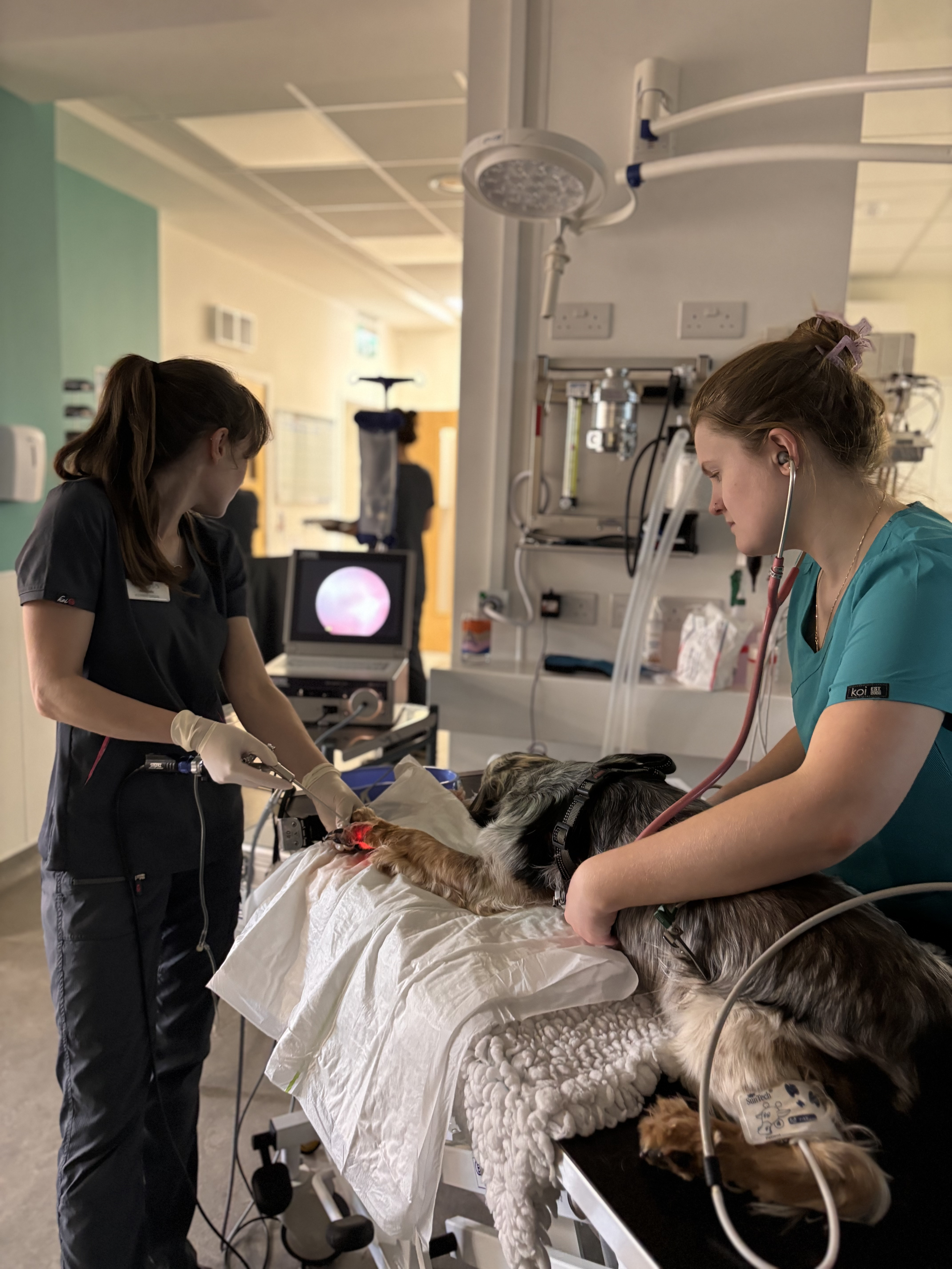
We offer specialist-guided echocardiography using Virtual Veterinary Specialists (VVS).
A cardiologist joins the scan live via a secure workstation, guiding our vet during the scan and interpreting the images. This gives your pet access to top-tier specialist knowledge without the need to travel.
When to consider a cardiac assessment
Heart investigations may be recommended if your pet has any of the following:
A new heart murmur
Coughing or noisy breathing
Exercise intolerance
Fainting or collapsing episodes
A rapid or irregular heartbeat
Reduced stamina
A sudden increase in resting or sleeping respiratory rate
Known breed risks (e.g. those seen in Cavalier King Charles Spaniels, Dobermanns, Maine Coons, or Ragdolls)
Treatment and ongoing management
If heart disease is identified in your pet, we’ll create a tailored plan for them. This plan may include:
Medication to support heart function
Blood pressure monitoring
Nutritional support
Regular echocardiograms to monitor progression
Holter monitoring to track rhythm changes
Gentle lifestyle adjustments
Our focus is always on preserving quality of life and keeping your pet as comfortable and active as possible.
Frequently asked questions about cardiology
-
Usually not. Most cats and dogs tolerate ECGs and echocardiograms very well. Holter monitors are worn at home with no sedation required.
-
Many heart diseases can be managed extremely well with modern medications and regular monitoring. Early diagnosis makes a significant difference.
-
An ECG looks at the electrical activity of the heart.
An echocardiogram looks at the structure and function of the heart.
Both are often used together for a full assessment.
-
ECGs take only a few minutes. Echocardiography usually takes 45-60 minutes. Holter monitors are worn for 24 to 48 hours at home.
-
If a heart condition is diagnosed, regular monitoring is usually recommended, often every 3 to 12 months depending on severity.

If you’re concerned about your pet’s heart, have noticed changes in their breathing or energy levels, or your vet has detected a murmur, we’re here to help. With advanced diagnostics and specialist-guided support, we can give you clear answers and a calm, thoughtful plan for your pet’s long-term heart health.