
Cat Spay
A cat spay (also called neutering, or ovariohysterectomy) is a routine surgical procedure that prevents female cats from becoming pregnant. It involves removing the ovaries, and sometimes the uterus, under a carefully monitored general anaesthetic.
At PetPeople Vets, cat spays are performed with modern equipment, gentle handling, and a thoughtful approach to anaesthesia and pain relief to ensure your cat’s comfort and safety from start to finish.
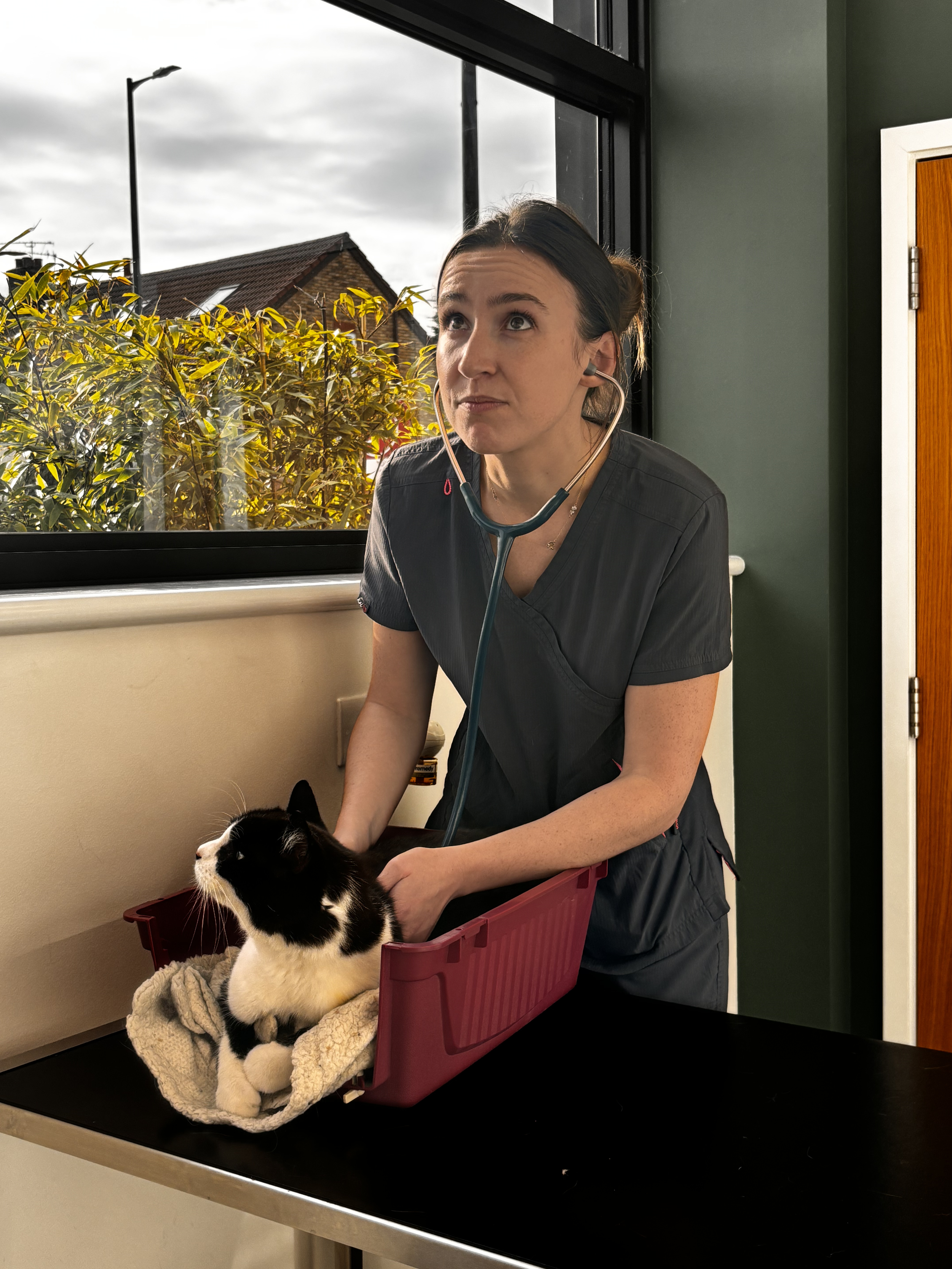
Why spaying matters
Spaying your cat offers important health and behavioural benefits. It prevents unwanted litters, significantly reduces the risk of certain cancers, and removes the possibility of life-threatening womb infections such as pyometra. It also helps settle hormone-driven behaviours and stops the stress of repeated heat cycles.
With an experienced surgical team, safe anaesthesia protocols, and excellent post-operative care, we’re well placed to make the experience calm and stress-free for both you and your cat.

More about cat spaying
Benefits of spaying
Health benefits
Prevents pyometra — a serious uterine infection
Reduces the risk of mammary (breast) cancer
Eliminates ovarian disease
Reduces hormone-related stress and discomfort
Behavioural & welfare benefits
Stops the loud vocalisation, frustration, and restlessness of heat cycles
Prevents unwanted pregnancies
Helps reduce the pressure on rescue centres
Reduces unwanted attention from local male cats

The procedure
Your cat is admitted in the morning and given a short general anaesthetic. We place an IV (intravenous) cannula, provide tailored pain relief, and monitor your cat continuously throughout surgery using hospital-grade equipment.
The surgery itself usually takes around 30 minutes. Once your cat is comfortably awake, eating, and settled, she can go home later the same day.
Recovery and aftercare
Most cats recover very quickly with appropriate care. We recommend:
Keeping your cat indoors for 10 days
Preventing licking of the surgical site with a soft buster collar or medical pet suit, which we will provide for you
Giving pain relief exactly as prescribed
Monitoring the incision for redness, swelling, or discharge
Attending post-op checks to ensure smooth healing
Most cats are bright, eating normally, and moving comfortably the day after their spay.
Frequently asked questions about cat spaying
-
Most female cats are spayed at 4 to 6 months of age, though it can be done safely at any age as long as the vet confirms she’s healthy.
-
Your cat will be fully anaesthetised and receive effective pain relief. After surgery, we provide additional medication to ensure she stays pain-free during recovery.
-
No. Spaying does not change who your cat is. it simply removes the hormonal behaviours associated with being in heat.
-
Many cats do benefit from a cone or medical suit to protect the incision, as grooming can interfere with healing. We’ll recommend what’s best for your individual cat.
-
We recommend keeping your cat indoors for 10 days, or until her incision has fully healed and the vet confirms everything looks perfect.
If you’re planning to have your cat spayed or would like personalised advice on timing, we’d be happy to guide you. Spaying is a simple, responsible choice that helps protect your cat’s long-term health and wellbeing.