
Osteoarthritis
Helping pets stay comfortable, active and happy
Osteoarthritis is one of the most common long-term conditions in dogs and cats, especially as they grow older. It develops slowly over time as joints become inflamed and the smooth cartilage that cushions movement begins to wear down. Although osteoarthritis cannot be cured, the good news is that with the right care many pets stay comfortable, active and enjoying life for years.
Our vets and nurses are experienced in diagnosing and managing arthritis, and we create tailored plans for every individual pet. With early support and thoughtful treatment, your pet does not have to struggle with day-to-day pain.
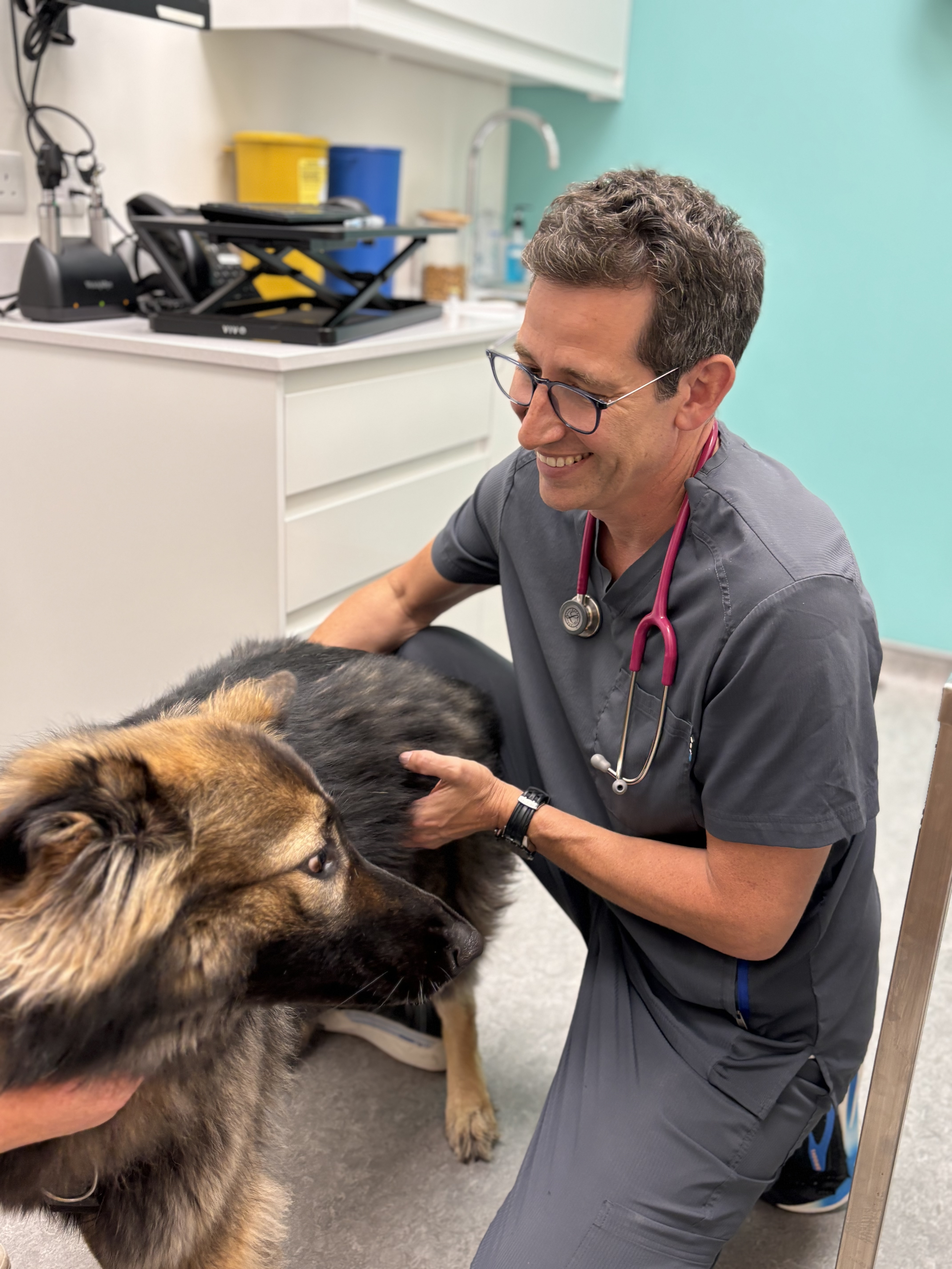
Why arthritis care matters
A well-managed pet with arthritis can enjoy an excellent quality of life, and early diagnosis means we can start supportive care before pain becomes significant. Either way, we are here to guide you through every step.
More about arthritis care

-
Common changes that may indicate arthritis include:
Slowing down on walks
Stiffness after resting
Reluctance to jump, climb stairs or use the sofa
Limping or uneven movement
Reduced playfulness
Changes in grooming (especially in cats)
Toileting outside of the litter tray (in cats)
Restless sleep or irritability
If you notice any of these signs, a consultation with one of our vets is the best first step.
-
To confirm arthritis and assess its severity, we may recommend:
A full clinical examination
Digital X rays (or a CT scani f we suspect other conditions, such as a trapped nerve, may also be occurring)
Blood tests (to rule out other conditions)
Joint mobility and pain scoring
This helps us build a clear picture of how your pet is feeling and which treatments will help the most.
-
Arthritis care works best when a number of small interventions are used together. Your pet’s plan may include:
Pain relief and anti-inflammatory medication
Safe, effective medication prescribed individually for your pet.
Joint supplements
High quality omega 3, glucosamine or green-lipped mussel products can support joint health.
Acupuncture
Veterinary acupuncture can help provide pain relief for conditions like osteoarthritis, and we can provide this service for your pet in-clinic.
Physiotherapy and lifestyle changes
Gentle exercise plans, strengthening work and avoiding high impact activities.
Weight management
Maintaining a healthy body weight is one of the most effective ways to ease joint pain.
Supportive home adjustments
Soft bedding, non-slip flooring, ramps or steps and warm sleeping areas.
Newer targeted treatments
For some older pets, long-acting arthritis injections (such as anti-nerve growth factor therapies) can offer excellent relief with just one injection per month.
Advanced treatments
Interventions such as stem cell treatment or platelet-rich plasma therapy aim to slow down or reverse the progress of osteoarthritis.
Surgery
In some cases, surgery can help to reduce the pain of osteoarthritis.
We will talk you through every option and help you choose what suits your family and your pet.
-
Arthritis is a dynamic condition, so regular check ins help us keep your pet as comfortable as possible. Many of our arthritis patients visit us for gentle nurse check-ups to assess mobility, review medication and fine tune their plan.
PetPeople Health Plan members can make use of unlimited consultations to stay on top of their pet’s needs.

Frequently asked questions about arthritis care
-
Pets rarely cry or yelp with arthritis. Instead, they show subtle changes such as slowing down, sleeping more or avoiding activities they used to enjoy.
-
No, but it can be managed extremely well. Many pets remain active and content with the right combination of treatments.
-
Often yes, but modern medications are safe and effective. We monitor your pet’s health regularly to ensure the plan remains appropriate.
-
Absolutely. In fact, older cats are very prone to arthritis, but are excellent at hiding pain. Small behavioural changes – such as reduced grooming, or toileting outside of the litter tray - are often the key indicators.
-
Most insurance policies which cover illness will cover veterinary treatment for arthritis, as long as the policy was in place before symptoms began.
Advanced treatments, complementary therapies, or supplements may not be covered – if in doubt, please contact your pet’s insurance provider.

If you think your pet may be slowing down or showing changes in mobility, please get in touch. Early support can make a world of difference, and we are here seven days a week to help your pet stay comfortable, confident and active.