
Cat Castration
Cat castration (also called neutering) is a routine surgical procedure that removes a male cat’s testicles. It prevents unwanted litters, reduces unwanted behaviours, and supports your cat’s long-term health.
At PetPeople Vets, this is a quick, safe day procedure carried out under modern anaesthesia, with gentle handling and careful monitoring throughout.
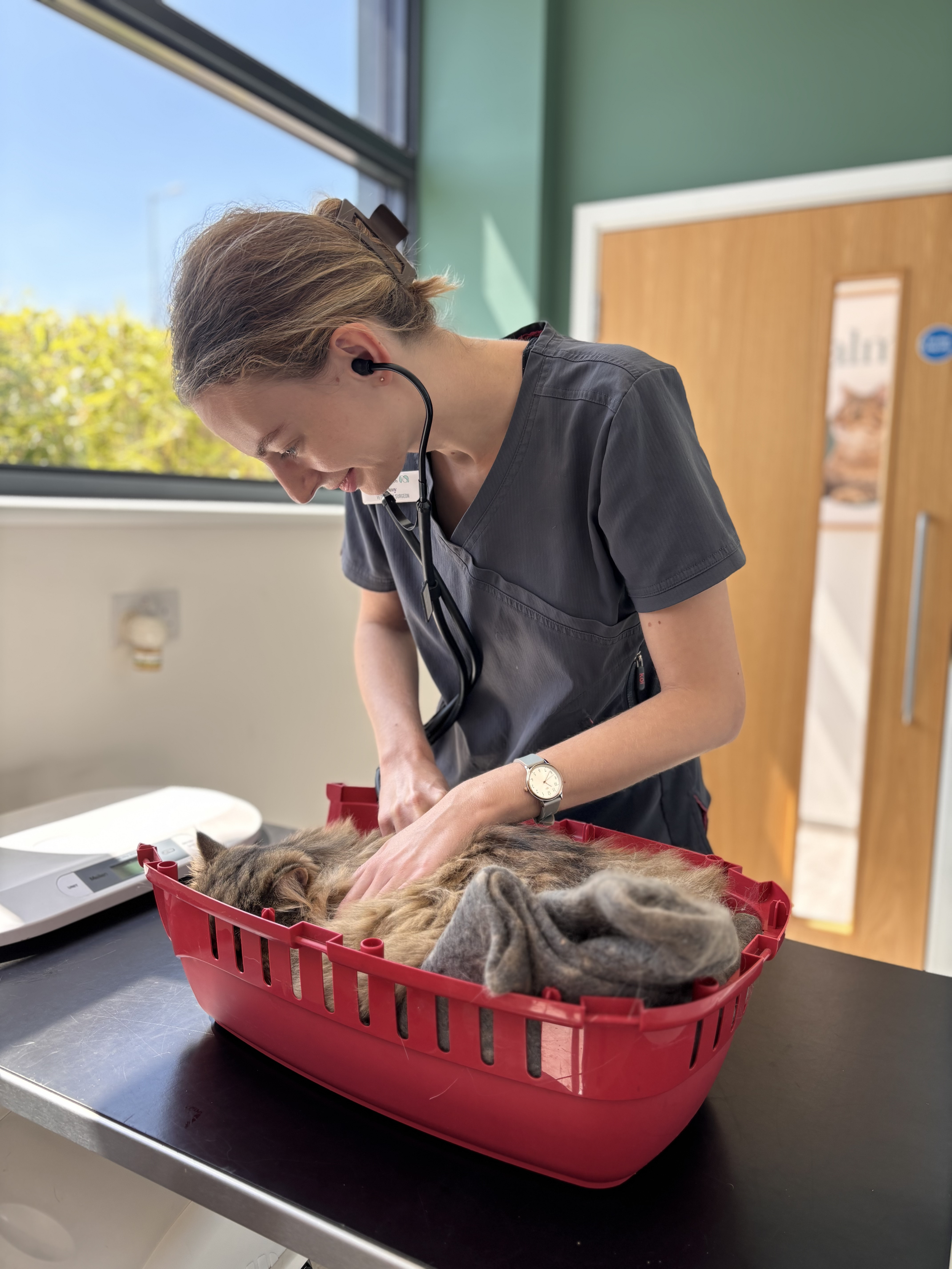
Neutering offers important health and behavioural benefits. It significantly reduces roaming, spraying, and fighting, which means fewer injuries and infections. It also lowers the risk of certain cancers and helps keep both your cat and the wider local cat population healthier.
We are well placed to provide this care. With skilled surgeons, modern equipment, and a calm, comfortable environment, we ensure your cat’s procedure is as safe and stress-free as possible.
Why cat castration matters

More about cat castration
Benefits of neutering
Behavioural benefits
Reduced territorial urine marking and spraying
Less roaming, which lowers the risk of road traffic accidents
Reduced fighting and aggression
A calmer, more predictable temperament
Health benefits
Reduced risk of certain testicular and prostate-related conditions
Lower rates of infectious diseases associated with fighting (e.g. FIV or FeLV)
Fewer abscesses and bite wounds
Community benefits
Helps reduce the number of unwanted kittens
Supports responsible pet ownership
Reduces injuries caused to other cats by territorial uncastrated males
Lowers the burden on rescue centres
Reduces territorial urine marking

The procedure
Your cat is admitted in the morning and given a short, carefully monitored general anaesthetic. The procedure is very quick — typically around 10 to 15 minutes — and involves two tiny incisions.
We monitor your cat continuously using hospital-grade equipment, and once they are fully awake and comfortable, they can return home the same day.
Most cats bounce back quickly and rarely need a protective cone, as the incisions are so small. Your vet will give tailored advice based on your cat’s age, health, and temperament.
Recovery and aftercare
After castration, most cats:
Are sleepy for the first evening
Eat normally by the next day
Return to gentle activity within 24 to 48 hours
We recommend:
Keeping your cat indoors for a few days
Monitoring the incision sites
Using pain relief as directed
Attending a post-op check to ensure everything is healing well
Complications are uncommon, but we are always here if you have concerns.

Frequently asked questions about cat castration
-
Most cats are neutered around 4 to 6 months of age, though it can be done safely at any age as long as they are healthy.
Some larger breeds - especially Maine Coons - should be castrated when they are 12 months or older. Male cats should be kept exclusively indoors until castrated, vaccinated, and microchipped.
-
Your cat will be fully anaesthetised and given effective pain relief. The procedure is quick, and most cats recover very well, with minimal discomfort.
-
Neutering does not change your cat’s personality or affection levels. It simply reduces hormone-driven behaviours such as roaming, spraying, and territorial aggression towards other cats.
-
Usually not. The incisions are very small, and most cats leave them alone. If your cat is particularly curious or overgrooms, we may recommend a protective cone temporarily.
-
Most cats return to normal activity very quickly, but we advise 2–3 days of indoor rest and calm activity to allow the incisions to heal.
If you’re thinking about neutering your cat or would like advice on the best timing, our team would be happy to guide you. It’s a simple, kind procedure that supports a healthier, happier life at home, and supports the welfare of the entire cat population.