
Dental care for cats
Good dental health is an essential part of your pet’s overall wellbeing. Dental disease is extremely common in pets and, if left untreated, can cause pain and tooth loss.
Untreated dental disease can cause problems outside of the mouth as well – it can contribute to disease in organs such as the heart, kidneys and liver. The good news is that with early intervention and the right home care, many dental problems can be prevented or even reversed.
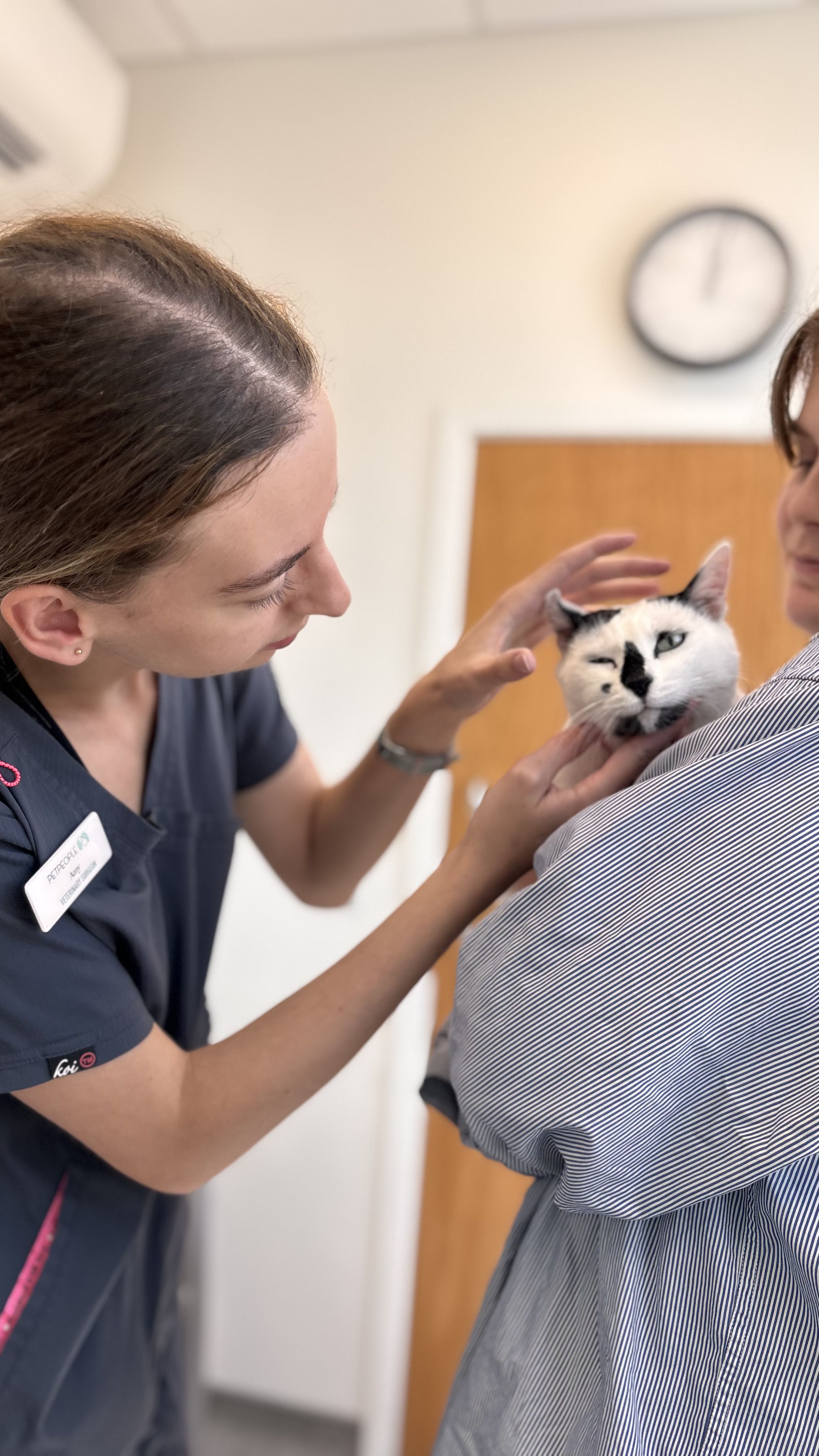
Feline dental care
Dental disease, such as gingivitis (inflammation of the gums), is very common in cats. If gingivitis is not addressed, it can progress to periodontitis, which is where the structures supporting the teeth are damaged. This can lead to tooth loss and chronic inflammation, along with a significant bacterial burden in the mouth.
The good news is that mild to moderate gingivitis can often be managed with home care and may be fully reversible if addressed early, before the gums become too sore or deep pockets form under the gum line. The most effective form of home care is toothbrushing.
More information on feline dental disease can be found here:

Important safety note
Only brush your cat’s teeth if it is completely safe to do so. If your cat shows signs of fear, distress or aggression, do not continue. We are always happy to help you explore alternative options.
How to brush your cat’s teeth
The first and most important step is getting your cat comfortable with having their mouth gently handled. Cats need to feel in control. Pushing beyond what they tolerate can cause stress and damage trust, making future dental care more difficult.
We recommend slow, reward-based training using a marker word or sound paired with a high value reward. This allows you to clearly mark calm, relaxed behaviour and helps your cat learn quickly.
Helpful training videos:
More about cat dental care
Introducing toothpaste
Only use veterinary toothpaste designed specifically for cats. Human toothpaste can be toxic – and will also taste bad to your cat. Cat toothpaste is enzymatic - designed to break down plaque chemically - and comes in flavours many cats enjoy.
Recommended products include:
Virbac Enzymatic Toothpaste
Plaqtiv+ Toothpaste
Logic Oral Hygiene Gel
Toothpastes containing chlorhexidine may also be used, though some cats find them less palatable.
Start by offering toothpaste on your finger or a small amount on a favourite treat. Gradually increase the amount until your cat accepts the quantity needed for brushing. Once comfortable, dab small amounts directly onto the teeth.
Getting used to your cat’s teeth being touched
When your cat is relaxed, use a cotton bud with toothpaste to gently rub the teeth, starting at the back where plaque builds up most. Only move to a toothbrush once this is well tolerated.
Brushing with a toothbrush
Use a soft cat or baby toothbrush and gentle circular motions along the gum line. Allow your cat to lick the brush initially without restraint. Over time, slowly build up from a few seconds to longer brushing sessions. This process may take several weeks and should always progress at your cat’s pace.
If brushing is difficult, alternative options such as oral gels, dietary supplements, or water additives can help reduce plaque bacteria.
Water additives and gels
We often recommend the Plaqtiv+ oral care range, which carries the Veterinary Oral Health Council seal. These products reduce bacteria without requiring brushing and can be very helpful for cats that will not tolerate toothbrushing.
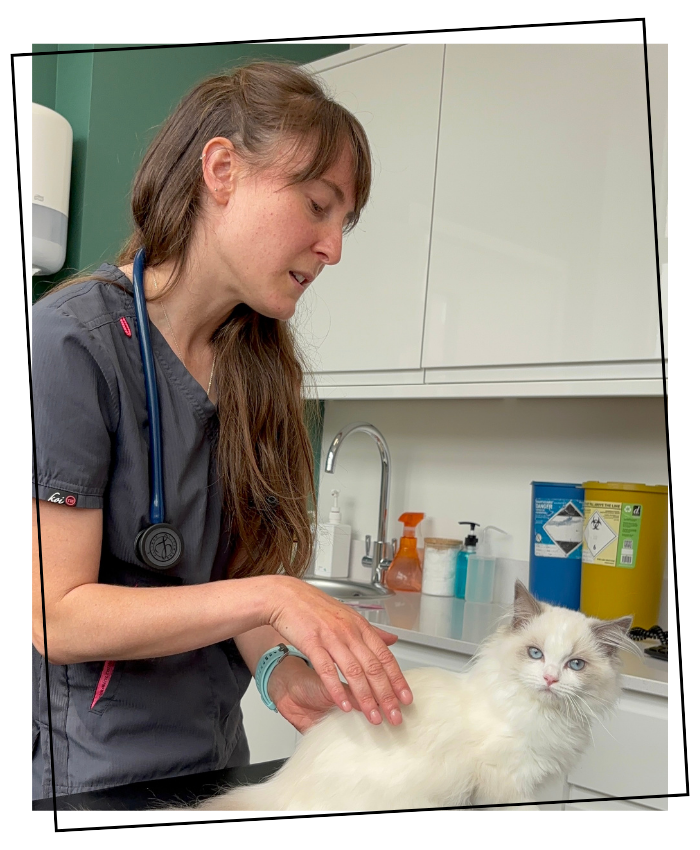
Diet and dental health
There is little evidence that dry food alone prevents dental disease. Some cats benefit from a higher quality, low carbohydrate diet, which can alter oral bacteria. Chewy treats may help mechanically reduce plaque but should not replace brushing.
Monitoring progress
Gingivitis should improve with good home care unless deeper disease is present. Some cats have underlying conditions such as Feline Leukaemia Virus (FeLV), Feline Immunodeficiency Virus (FIV), immune-mediated diseases, or hidden dental pathology beneath the gum line. For this reason, we usually recommend a recheck after around three months to assess progress.
When home care isn't enough
Even with excellent home care, some cats will still develop dental disease that needs professional treatment. Persistent gingivitis, a build up of tartar, painful tooth resorption, or conditions such as feline chronic gingivostomatitis can all cause significant discomfort and cannot usually be managed by brushing alone. In these cases, we recommend a dental procedure under a carefully monitored general anaesthetic. This allows us to perform a comprehensive COHAT (Comprehensive Oral Health Assessment and Treatment), including a thorough examination of every tooth and the mouth, full mouth dental X rays, professional scaling and polishing, and treatment of any disease we find. If teeth are badly damaged or painful, extractions may be the kindest option to restore comfort and improve your cat's quality of life. Throughout the procedure your cat receives modern anaesthesia, careful monitoring, effective pain relief and dedicated nursing care, helping them recover as comfortably and safely as possible.
Frequently asked questions about dental care for cats
-
Good dental health is an essential part of your cat's overall wellbeing. Dental disease is extremely common in cats and, left untreated, can cause pain and tooth loss. It can also cause problems beyond the mouth – contributing to disease in organs such as the heart, kidneys and liver.
The good news is that with early intervention and the right home care, many dental problems can be prevented or even reversed.
-
Gingivitis is inflammation of the gums, and it's very common in cats. If it's not addressed, it can progress to periodontitis – where the structures supporting the teeth are damaged. This can lead to tooth loss and chronic inflammation, along with a build-up of bacteria in the mouth.
The good news is that mild to moderate gingivitis can often be managed with home care and may be fully reversible if caught early, before the gums become too sore or deep pockets form under the gum line.
-
Toothbrushing is the most effective form of home care. That said, the first and most important step is getting your cat comfortable with having their mouth gently handled. Cats need to feel in control, and pushing beyond what they tolerate can cause stress and damage trust, making future dental care harder.
We recommend slow, reward-based training using a marker word or sound paired with a high value reward, so you can clearly mark calm, relaxed behaviour.
-
Start by offering it on your finger or a small amount on a favourite treat. Gradually increase the amount until your cat accepts the quantity needed for brushing. Once they're comfortable, you can dab small amounts directly onto the teeth.
-
That's completely understandable, and you're not alone. Alternative options such as oral gels, dietary supplements or water additives can help reduce plaque bacteria.
We often recommend the Plaqtiv+ oral care range, which carries the Veterinary Oral Health Council seal. These reduce bacteria without requiring brushing, making them a great option for cats who won't tolerate a toothbrush.
-
Not on its own – there's little evidence that dry food alone prevents dental disease.
Some cats benefit from a higher quality, low carbohydrate diet, which can alter oral bacteria, and chewy treats may help mechanically reduce plaque. But neither should replace brushing.

If you're thinking about starting toothbrushing with your cat, or would like advice on getting them comfortable with mouth handling, our team would be happy to guide you. It's a simple, kind habit that supports a healthier, happier life at home, and helps protect their wellbeing for years to come.