Dog Castration
Dog castration (neutering) is a routine surgical procedure in which the testicles are removed under general anaesthetic. It prevents unwanted litters, reduces hormone-driven behaviours, and supports long-term health and wellbeing.
At PetPeople Vets, this is a safe, carefully monitored day procedure performed by experienced surgeons, with gentle handling and modern anaesthetic care throughout.
Why dog castration matters
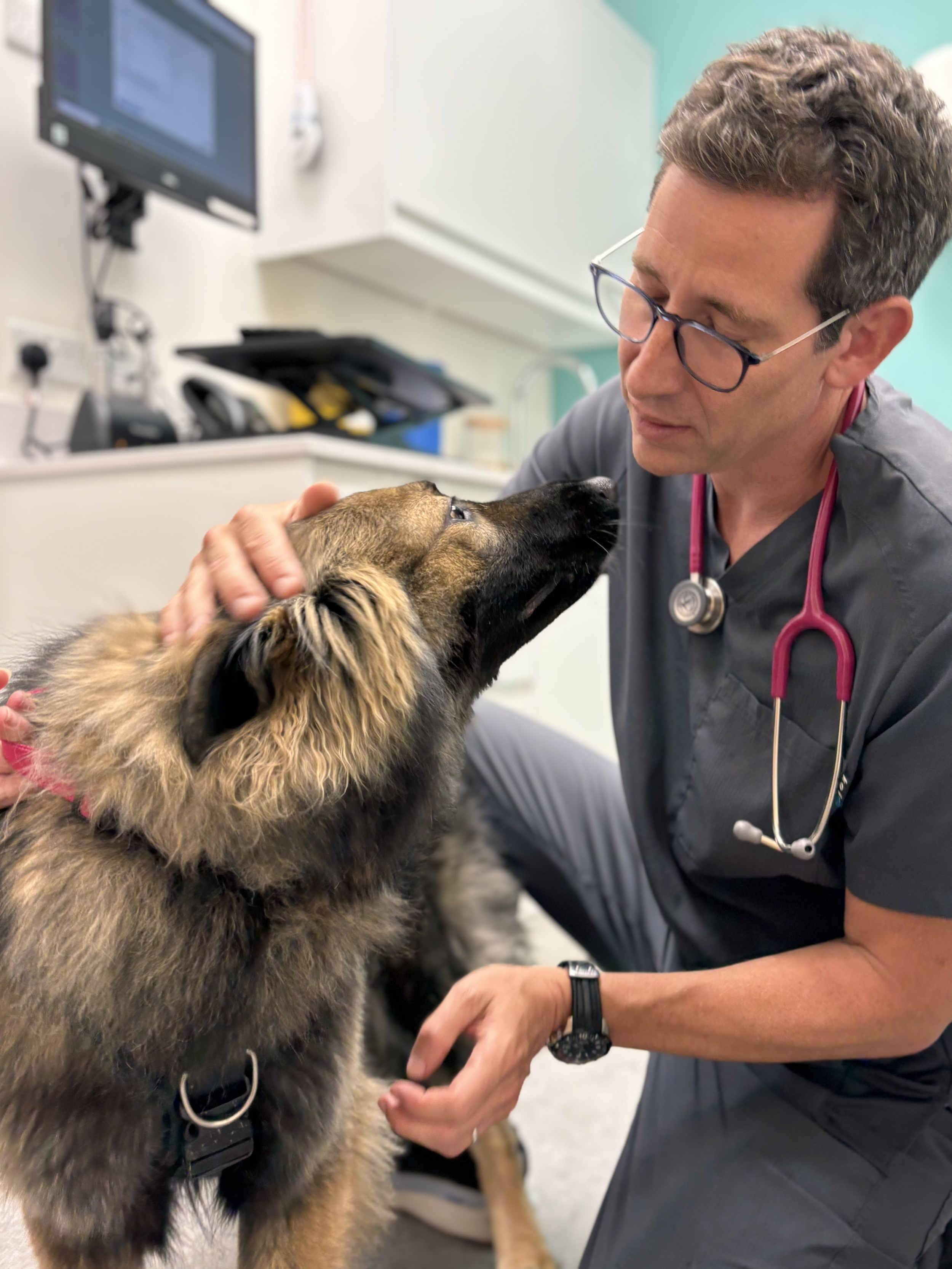
Neutering can help prevent health issues, reduce problematic behaviours, and contribute to calmer, safer interactions at home and outdoors. It also supports responsible ownership and helps reduce pressures on rescue centres.
With skilled clinicians, modern equipment, and a thoughtful approach to each individual dog, we’re well placed to advise on whether castration is right for your pet and provide the highest standard of surgical care.
More about dog castration
Benefits of neutering
Behavioural benefits
Reduced straying and interest in female dogs
Lower risk of hormone-driven behaviours such as marking and mounting
Decreased aggression in some dogs (case-dependent)
Improved focus and trainability for some individuals
(We always assess behaviour carefully — castration is helpful in many cases but not a cure-all. Your vet will guide you.)
Health benefits
Eliminates the risk of testicular cancer
Reduces the risk of prostate disease
Lowers the chance of perianal tumours
May reduce hormone-linked conditions such as hernias or certain cysts
Community benefits
Helps reduce unplanned litters
Supports population control
Reduces stray and rescue pressures
The procedure
Your dog is admitted in the morning and undergoes a short, fully monitored general anaesthetic. The procedure usually takes around 20 to 30 minutes.
We place an IV (intravenous) cannula, provide tailored pain relief, and monitor your dog’s breathing, heart rate, temperature and blood pressure throughout. Once your dog is fully awake and comfortable, they can return home the same day.
Recovery and aftercare
Most dogs recover very quickly with the right aftercare. We recommend:
Keeping your dog rested for 10 to 14 days
Preventing licking of the wound (using a protective cone or soft medical suit)
Short, lead-only walks during recovery
Giving prescribed pain relief as instructed
Attending post-operative checks to monitor healing
Most dogs are bright and eating normally by the evening of their procedure.
Frequently asked questions about dog castration
-
It depends on breed, size, and behaviour. Many dogs are neutered between 6 and 12 months, but some large breeds benefit from waiting until their growth plates have closed. We’ll advise on the ideal timing for your dog.
-
Your dog’s personality will stay the same. Castration may reduce hormone-driven behaviours but will not affect friendliness, enthusiasm, or affection.
-
Some dogs are prone to weight gain following neutering due to hormonal changes. With appropriate diet and exercise, this can be easily managed.
-
Your dog is fully anaesthetised during surgery and receives effective pain relief before, during and after the procedure. Most recover comfortably within a few days.
-
Not always. Behaviour, temperament, breed and lifestyle all matter. We’ll help you make a well-informed decision based on your dog’s individual needs.
If you’re considering castration or would like personalised guidance on timing and suitability, our team is here to help. We’ll talk through the benefits, considerations, and recovery so you can make the choice that feels right for your dog.